Column · @titusltxo817
How to Prepare for Your First Periodontal Treatment Visit
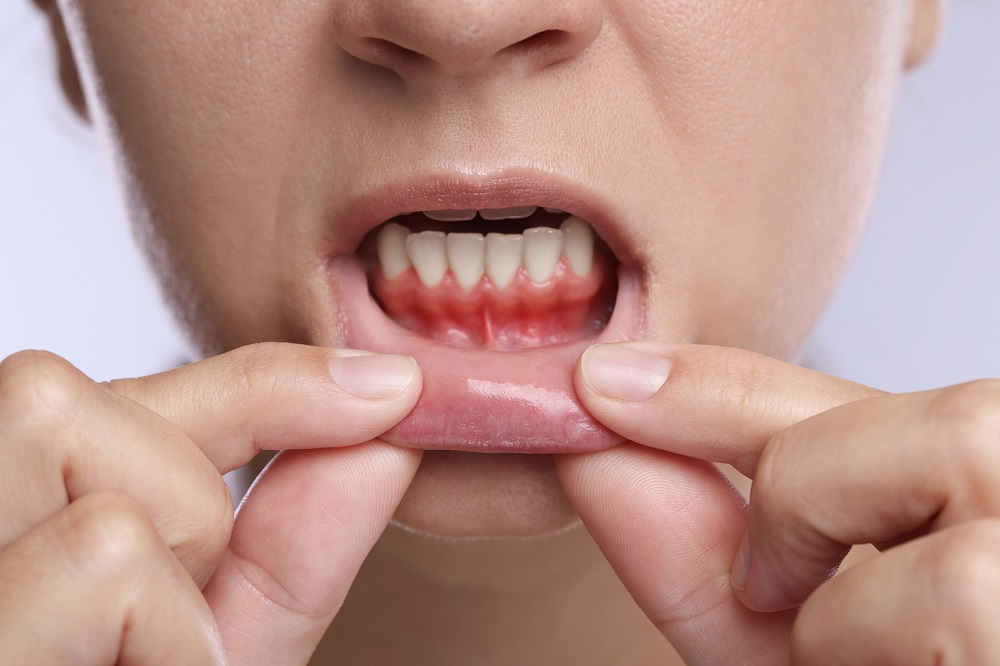
Hearing that you need periodontal care can stir up more anxiety than most people expect. For many patients, the concern is not just about discomfort. It is the uncertainty. They do not know what the appointment will involve, whether treatment will be painful, how long recovery takes, or what the diagnosis might mean for their long term oral health.
That uncertainty tends to shrink quickly once the process is explained clearly. A first periodontal treatment visit is usually more methodical and less dramatic than people imagine. In most offices, the initial experience is built around careful evaluation, conversation, and planning. If treatment happens the same day, it is typically done with attention to comfort and with a clear explanation of what comes next.
Knowing how to prepare matters for practical reasons. It helps you arrive with the right records, the right questions, and a realistic idea of what the day may look like. It also helps your periodontist make better decisions. Gum disease is not a one size fits all condition. Two patients can have similar symptoms, such as bleeding gums or bad breath, and need very different care depending on bone loss, pocket depths, health history, and home care habits.
A little preparation goes a long way. It can make the first visit smoother, shorten delays, and give you a better foundation for the treatment itself.
What periodontal treatment usually means
Before talking about preparation, it helps to understand what periodontal treatment covers. Periodontics focuses on the gums, supporting bone, and other structures that hold teeth in place. Treatment may involve diagnosing and managing gingivitis, periodontitis, gum recession, bone loss, loose teeth, implant concerns, or areas that need surgical correction.
For many first time patients, the concern is gum disease. They may have been referred by a general dentist after routine x rays showed bone loss, or after a hygiene visit revealed deeper periodontal pockets and bleeding. In early cases, treatment might center on nonsurgical care such as scaling and root planing, which is a deep cleaning below the gumline. In more advanced cases, the periodontist may recommend antimicrobial therapy, periodontal maintenance, gum grafting, pocket reduction procedures, regenerative treatment, extraction planning, or implant evaluation.
That range is one reason people often feel overwhelmed. They hear the phrase "periodontal treatment" and picture surgery right away. Sometimes surgery is necessary, but very often the first visit is about diagnosis, mapping out severity, and deciding whether conservative treatment can stabilize the condition.
Why your first visit feels different from a routine cleaning
A routine dental cleaning is designed to maintain health. A periodontal visit is designed to investigate disease, measure its extent, and create a treatment strategy. That difference affects everything from timing to the kinds of questions you will be asked.
Expect the appointment to be more detailed than a standard dental checkup. A periodontist may review your medical history in depth because gum health is tied closely to systemic health. Diabetes, smoking, autoimmune conditions, osteoporosis medications, pregnancy, and heart related considerations can all influence periodontal findings and treatment choices. Even something as common as dry mouth from medications can alter the picture.
The exam itself often includes measurements around each tooth, evaluation of gum recession, mobility, bite forces, plaque accumulation, bleeding points, and radiographic bone levels. If you have never had periodontal charting before, it can sound technical. In practice, it is simply a careful baseline. Those numbers help determine whether inflammation is mild and localized or whether there is deeper structural damage.
Patients are sometimes surprised by how much discussion takes place about habits. Brushing technique, flossing method, clenching, mouth breathing, and tobacco or vaping use can all shape the plan. This is not small talk. It is diagnostic.
What to do in the week before your appointment
The best preparation starts several days before you walk into the office. Rushing the night before tends to leave out details that matter.
First, gather your dental and medical information. If you were referred by a general dentist, confirm whether records have already been sent. That usually includes recent x rays, periodontal charting if available, and notes explaining the reason for referral. Offices vary. Some transfer records automatically, others wait for a request, and some still depend on patients to prompt the process. A quick call can prevent duplication and save time.
Second, make a full medication list. Bring prescription drugs, over the counter medications, supplements, and anything you take occasionally but regularly enough to matter, such as ibuprofen, aspirin, or herbal products that may affect bleeding. If you use an inhaler, blood thinner, diabetes medication, or bone health medication, mention it clearly.
Third, pay attention to symptoms over several days rather than relying on memory in the moment. Patients often say, "My gums bleed sometimes," but what helps the clinician more is detail. Does it happen only when flossing, or also while eating? Is the bleeding isolated to one area? Are your teeth sensitive to cold? Does food trap between certain teeth? Have you noticed gum recession or a tooth that feels slightly longer? These details may seem minor at home and suddenly vanish under the stress of an appointment.
If you have dental anxiety, say so before the visit. Offices handle this differently, but knowing in advance allows them to plan extra time, discuss comfort measures, or review sedation options if those are appropriate for future treatment.
What to bring with you
A well prepared patient does not need a thick folder, but a few basics can make the visit much more efficient.
- A current list of medications, supplements, and allergies
- Your dental insurance card and a photo ID, if applicable
- Referral notes or recent x rays if your general dentist has not sent them
- A short written list of symptoms and questions
- Details about major medical conditions, surgeries, or pregnancy status if relevant
That last point is worth emphasizing. Patients often assume their periodontist will already know their whole health history because it is "in the system" somewhere. Usually, it is not. Dental and medical records are often more fragmented than people realize.
The night before and the morning of the visit
Try not to overcorrect your oral hygiene routine right before the appointment. It is sensible to brush and floss as you normally would, but aggressive brushing the night before can irritate tissues and create a misleading picture. If your gums are already inflamed, scrubbing harder rarely helps.
Eat normally unless the office has given you specific instructions not to. Most first visits do not require fasting. If there is a chance you may receive local anesthetic or same day deep cleaning, eating beforehand can actually make the experience easier, especially for patients who get Periodontal Treatment lightheaded. Choose something balanced rather than showing up after only coffee.
Wear comfortable clothing and leave yourself a little extra time. Periodontal appointments are not usually physically strenuous, but stress rises quickly when https://maps.app.goo.gl/ChfJKu9PFXzaNGje8 patients are late, stuck in traffic, or filling out forms hurriedly at the front desk. Ten calm extra minutes is worth far more than most people think.
If you wear contact lenses and tend to get dry eyes during long appointments, bring glasses. It sounds small, but little comfort adjustments matter. The same goes for arranging childcare or keeping the rest of the day flexible if treatment might happen. Some patients expect a quick consult and end up staying longer for imaging, anesthesia, or a first phase of care.
What happens when you arrive
Most visits begin with paperwork, but the more useful part starts when the clinical team reviews your history with you directly. Expect questions about bleeding gums, pain, swelling, recession, loose teeth, grinding, smoking, and past dental experiences. If you have ever had a difficult numbness experience, gagging issues, or a strong sensitivity to cleanings, mention it. That information shapes how care is delivered.
The exam may include photographs, x rays, or a cone beam scan in some cases. Not every patient needs advanced imaging. It depends on what the periodontist is trying to evaluate. For straightforward gum disease, standard periodontal charting and conventional x rays are often enough. For implants, certain defects, or surgical planning, more detailed imaging may be appropriate.
One part patients often remember is the pocket depth exam. A small measuring instrument is used around the teeth to gauge the space between the gum and tooth. Healthy pockets are generally shallow, while deeper readings may suggest periodontal breakdown. A little tenderness or spot bleeding can occur during this process if the gums are inflamed. That does not mean the exam caused the disease. It reveals where the tissue is already irritated.
After the exam, the periodontist usually explains the findings in plain language. This conversation matters as much as any procedure. You should leave understanding the severity of the problem, whether bone loss is present, what can be stabilized, what cannot be reversed, and what treatment priorities exist.
Questions worth asking
Many patients become quiet once they are in the chair, then think of their real questions on the drive home. It helps to ask direct, practical questions during the visit, especially if treatment recommendations feel unfamiliar.
You do not need a long script. Focus on what affects your decisions and expectations.
- What stage or severity of gum disease do I have, and how was that determined?
- Do I need treatment now, or can any part of this be monitored first?
- Will my first periodontal treatment visit include treatment the same day, or only evaluation?
- What should I expect during recovery, including soreness, eating, and work the next day?
- What home care changes matter most for my specific condition?
There is a difference between asking for reassurance and asking for clarity. Reassurance is comforting, but clarity is what helps you follow through.
If treatment is done on the first visit
Not every practice approaches this the same way. Some schedule an exam first and treatment later. Others may complete part of the periodontal treatment on the same day if diagnosis is clear and time allows. This often happens with scaling and root planing, localized antimicrobial placement, or urgent management of active inflammation.
If same day treatment is possible, ask about numbness, expected duration, and what you should avoid afterward. Scaling and root planing is generally well tolerated, especially with local anesthetic. Patients often imagine it as a harsh, invasive procedure. In reality, most say the anticipation was worse than the treatment itself. The gums can feel tender for a few days, and the roots may feel more sensitive to cold as inflammation subsides and tissues tighten around the teeth.
One practical detail surprises people. After deep cleaning, your mouth may feel different rather than instantly "better." The teeth can feel cleaner, yes, but if there was heavy buildup or significant swelling, the tissue needs time to settle. That healing period is normal. It is one reason follow up matters so much in periodontics.
For surgical recommendations, treatment often occurs on a later date. The first visit may instead cover diagnosis, consent, cost estimates, medical clearance if needed, and planning. If surgery is being discussed, this is the time to ask about downtime, sutures, medications, and whether a driver will be needed.
Managing nerves without making the day harder
Fear around periodontal care is common, even among patients who handle regular dental visits well. The combination of unfamiliar terms, concern about bone loss, and the word "gum disease" can create a strong emotional response.
The best approach is practical, not performative. Tell the office if you are nervous. Ask them to explain each step before it happens. Agree on a signal if you need a pause. If your anxiety tends to escalate once you are in the chair, avoid too much caffeine beforehand. That sounds simple, but it makes a noticeable difference for many people.
Another useful tactic is to bring one page of notes instead of carrying everything in your head. Anxiety narrows memory. A written list helps you stay grounded and keeps important questions from disappearing halfway through the conversation.
Patients sometimes postpone periodontal visits because they feel embarrassed about the condition of their gums. That is unnecessary and, unfortunately, common. Periodontists see every level of disease. Their job is not to judge how things got there. It is to assess what is salvageable, stop active damage, and help you maintain what can be preserved.
A few details people are glad they knew ahead of time
There are several small realities of a first periodontal appointment that rarely make it into generic advice, but they often matter in practice.
If you have not had recent dental x rays, the office may need to take new ones even if you feel that imaging was "just done." Timing, angles, image quality, and diagnostic need all factor in. This is not always duplication for its own sake.
If you are a smoker or vape regularly, be honest about frequency. Underreporting is common. It also makes treatment planning less accurate. Nicotine can suppress visible bleeding, which sometimes masks disease activity. It also affects healing. A patient who smokes a few cigarettes a day may still have a very different periodontal prognosis than a nonsmoker with the same pocket depths.
If you have diabetes, knowing your recent control status helps. The relationship between diabetes and periodontal disease runs both ways. Poorly controlled blood sugar can worsen gum inflammation, and active periodontal infection can make glycemic control harder. You do not need to arrive with perfect numbers, but current information is useful.
If you take a blood thinner, do not stop it on your own unless the prescribing physician and treating dentist have specifically advised it. Patients sometimes assume they should discontinue medication before any dental procedure. That can be risky and is not a decision to make casually.
Understanding the treatment plan you receive
By the end of the first visit, you should have a clearer sense of where you stand. A good treatment plan usually answers five things: what the diagnosis is, what treatment is recommended, why that treatment is necessary, what alternatives exist, and what maintenance will look like afterward.
Maintenance deserves special attention. Periodontal treatment is not typically a one time fix. Gum disease can often be controlled very effectively, but long term stability depends on regular supportive care. After active treatment, many patients move to periodontal maintenance visits at shorter intervals than standard cleanings, often every three to four months depending on risk and response.
This does not mean you have failed or that the treatment "did not work." It means periodontal disease behaves more like a chronic condition than a simple cavity. Once support structures have been damaged, the goal is to prevent progression and protect what remains.
When reviewing your plan, listen for individualized guidance. Broad statements are less useful than specifics. For example, "Brush better" is vague. "Use a soft electric brush angled at the gumline and clean around the lower molars more deliberately because that is where plaque is accumulating" is actionable.
Preparing financially and logistically
It is sensible to ask about fees and insurance early, especially if more than one phase of treatment is likely. Periodontal care can vary widely in cost depending on complexity, imaging, number of areas involved, use of grafting materials, and whether sedation or surgery enters the picture.
Insurance estimates are helpful, but they are still estimates. If the office gives you a range rather than a fixed number, that is usually a sign of honesty rather than evasiveness. Final costs sometimes depend on what is found clinically once treatment begins. The best approach is to ask what is known now, what could change, and when payment is expected.
From a scheduling standpoint, try not to book your first visit on the most compressed day of your week. If the appointment runs longer, if same day treatment is offered, or if you need a few minutes afterward to absorb the plan, you will appreciate the margin.
The mindset that helps most
The patients who do best at a first periodontal treatment visit are rarely the least nervous. They are the ones who arrive curious, candid, and ready to participate. Periodontal care works best when it is collaborative. The clinician diagnoses and treats, but the patient carries much of the day to day maintenance that determines long term stability.
That can feel like a burden when you first hear the diagnosis. Over time, it usually feels more like control. Once you understand what is happening beneath the gumline, the process becomes less mysterious. You know why certain areas bleed, why maintenance intervals matter, why your home care technique needs refinement, and what signs deserve attention.
A first visit is not a verdict. It is a starting point. Whether your needs are relatively minor or more advanced, preparation makes the experience clearer and more manageable. Bring good information, ask focused questions, and give yourself enough time to listen. That alone can turn a stressful referral into a practical, informed next step in protecting your oral health.
Avra Dental
Address: 1708 S Victoria Ave B, Ventura, CA 93003
Phone number: (805) 941-1001
FAQ About Periodontal Treatment
Can a dentist get rid of periodontal disease?
A dentist or gum specialist (periodontist) cannot fully cure or reverse advanced periodontal disease (periodontitis), but they can successfully stop its progression and manage the infection.
Is periodontitis very serious?
Yes, periodontitis is a very serious, advanced form of gum disease that destroys the bone and tissues supporting your teeth.
How is stage 2 periodontal disease treated?
Stage 2 periodontal disease (early to moderate periodontitis) is primarily treated with non-surgical deep cleaning procedures like scaling and root planing to remove bacteria and tartar below the gumline.